A resource for anyone interested in remote viewing. Delve into the history, the methods, and tools you can use to learn and practice remote viewing.
Remote viewing is a structured mental discipline designed to describe people, places, objects, or events that are hidden from ordinary perception. Originally developed through scientific research programs in the 1970s and later explored by government-sponsored projects, remote viewing continues to attract researchers, practitioners, and curious newcomers worldwide.
While opinions differ regarding the mechanisms behind remote viewing, many participants report surprising results when using structured methods and blind target protocols. This website provides an introduction to the field, practical resources for training, and tools for recording and evaluating your sessions.
Remote viewing combines intuition, observation, and disciplined recording techniques to gather information about an unknown target. Unlike meditation, visualization, or psychic readings, remote viewing typically uses strict protocols designed to minimize bias, imagination, and analytical guessing.
Practitioners work with target numbers or other blind cues and record impressions before receiving feedback about the target.
The modern practice of remote viewing emerged during the early 1970s through research conducted at Stanford Research Institute (SRI) in Menlo Park, California. Researchers sought to determine whether individuals could acquire information about distant locations, objects, or events while operating under controlled experimental conditions.
Early investigations involved a number of participants who appeared capable of producing descriptions that corresponded to distant targets at rates exceeding what researchers believed would be expected by chance alone. These studies attracted the attention of various government agencies interested in the potential applications of the phenomenon.
Throughout the 1970s and 1980s, research continued under a variety of programs that explored remote viewing for intelligence-gathering and research purposes. Over time, several formal methodologies were developed, including Coordinate Remote Viewing (CRV), which emphasized structured procedures designed to separate spontaneous perceptions from analytical interpretation.
One of the most well-known efforts became known publicly as Project Stargate, a collection of government-sponsored investigations that examined whether remote viewing could provide useful information under operational conditions. While the results and conclusions of these programs remain subjects of debate, their declassification brought remote viewing to the attention of a much wider audience.
Following the declassification of these programs, former participants, researchers, and instructors began teaching remote viewing methodologies to civilian students. Today, practitioners around the world continue to study, practice, and refine remote viewing techniques using both traditional methods and modern software tools.
Although opinions differ regarding the interpretation of remote viewing research, the field has produced decades of experimentation, methodology development, and practical training systems that continue to attract interest from researchers and enthusiasts alike.
Remote viewing has been the subject of scientific investigation for more than five decades. Research has involved university laboratories, private research organizations, and government-sponsored programs seeking to determine whether individuals can acquire information about distant or hidden targets under controlled conditions.
Some of the earliest and most widely discussed experiments were conducted at Stanford Research Institute (SRI) during the 1970s. Researchers explored whether participants could describe locations, objects, or activities that were unknown to them and inaccessible through ordinary sensory means.
Over the following decades, additional studies were conducted using a variety of experimental designs. Researchers attempted to improve controls, reduce the possibility of sensory leakage, and evaluate results using statistical methods. Supporters of remote viewing research argue that some experiments produced results that exceeded chance expectations and justify continued investigation.
Several government-sponsored programs investigated remote viewing and related phenomena during the Cold War era. These programs explored potential applications ranging from intelligence gathering to operational forecasting. Although many program details remained classified for years, a substantial amount of documentation has since become publicly available.
The most widely known of these efforts is commonly referred to as Project Stargate, though the research operated under several different program names throughout its history. The declassification of these projects contributed significantly to public awareness of remote viewing.
Researchers who support remote viewing point to studies in which participants appeared to describe target characteristics at rates they argue are unlikely to be explained solely by chance. They note that certain experimental results have been replicated across multiple laboratories and that statistical analyses have sometimes reported effects exceeding expected random outcomes.
Supporters generally argue that while the mechanisms involved remain unclear, the accumulated body of evidence warrants continued scientific investigation.
Skeptics and critics have raised a variety of concerns regarding remote viewing research. These include questions about experimental controls, replication reliability, statistical interpretation, publication bias, and the possibility that subtle cues may influence outcomes.
Many scientists remain unconvinced that existing evidence demonstrates a phenomenon that requires explanations beyond currently understood psychological or methodological factors.
Today, remote viewing remains a topic of active interest among practitioners, researchers, historians, and consciousness studies enthusiasts. While no broad scientific consensus has emerged regarding the nature or validity of remote viewing, the subject continues to inspire research, discussion, and practical experimentation.
For many practitioners, the most meaningful evidence comes from direct experience gained through structured practice, careful record keeping, and objective feedback. Regardless of one's conclusions, remote viewing represents a unique intersection of psychology, perception, consciousness research, and human curiosity.
Most remote viewing methodologies follow a similar process. A viewer receives a target reference, records spontaneous impressions, sketches shapes and relationships, and gradually develops a more detailed description. Feedback is then provided so that accuracy can be assessed.
The emphasis is often placed on recording perceptions before analysis and interpretation begin to influence the session.
Several remote viewing methodologies have evolved over the decades. While they share common principles, each emphasizes different procedures and training approaches.
Coordinate Remote Viewing was originally developed for use within the military remote viewing programs. CRV uses a structured, stage-based process designed to guide viewers from basic sensory impressions toward increasingly detailed information. The methodology places strong emphasis on separating raw perception from analytical interpretation.
Extended Remote Viewing employs a more relaxed state of awareness than CRV. Practitioners often use deep relaxation techniques and longer sessions to allow impressions to emerge naturally. ERV generally emphasizes detailed descriptive information and can be less rigidly structured than stage-based methods.
Associative Remote Viewing links remote viewing results to future outcomes. Rather than describing the outcome directly, viewers describe a target image that has been associated with a particular result. ARV has often been used in experiments involving prediction and forecasting.
Scientific Remote Viewing evolved from earlier methodologies and emphasizes a highly structured, repeatable process. SRV practitioners often use extensive protocols intended to reduce bias while maximizing consistency between sessions.
Executing protocols properly typically involves more than one person: a viewer and a monitor or analyst. However, many modern practitioners train alone.
Several software-based methods allow for effective solo practice by selecting targets randomly from a large target pool, preserving blindness throughout the session, recording notes and sketches, and presenting target feedback only after the session is complete. Properly designed software can help maintain many of the controls that would otherwise require a second participant.
Like any skill, remote viewing improves through regular practice and objective feedback. Beginners are encouraged to focus on simple targets, maintain consistent protocols, and carefully review their results over time.
The goal is not perfection but gradual improvement in perception, confidence, and target contact.
New practitioners should begin with simple photographic targets containing clear, distinctive features. Schedule regular practice sessions, ideally at the same time each day. Record all impressions, including those that seem vague or incomplete, and avoid evaluating your performance until after target feedback has been revealed.
Many experienced viewers recommend keeping a detailed session journal. Patterns often become apparent only after reviewing dozens or hundreds of sessions.
A target is the object, location, event, or scene that a viewer attempts to describe. In training environments, targets are often photographs selected randomly from a large collection. The viewer remains unaware of the target until the session is complete.
Good training targets tend to be visually distinctive and provide clear feedback. Examples include landmarks, natural scenes, famous structures, animals, and unusual locations.
Many practitioners incorporate meditation into their training routine. While meditation is not required for remote viewing, it can help improve focus, reduce mental chatter, and increase awareness of subtle impressions.
Even a short daily meditation practice may help viewers distinguish between spontaneous perceptions and internally generated thoughts.
While traditional remote viewing protocols often involve multiple participants, modern software tools can simplify training and make consistent practice much easier. Digital tools can help preserve target blindness, maintain detailed records, and provide long-term performance analysis.
One such tool is Remote Viewing Assistant, a training and session-management application available for both Android and Apple devices. The application was designed specifically to help remote viewers conduct sessions, record impressions, and track their development over time.
For application support or questions, please email
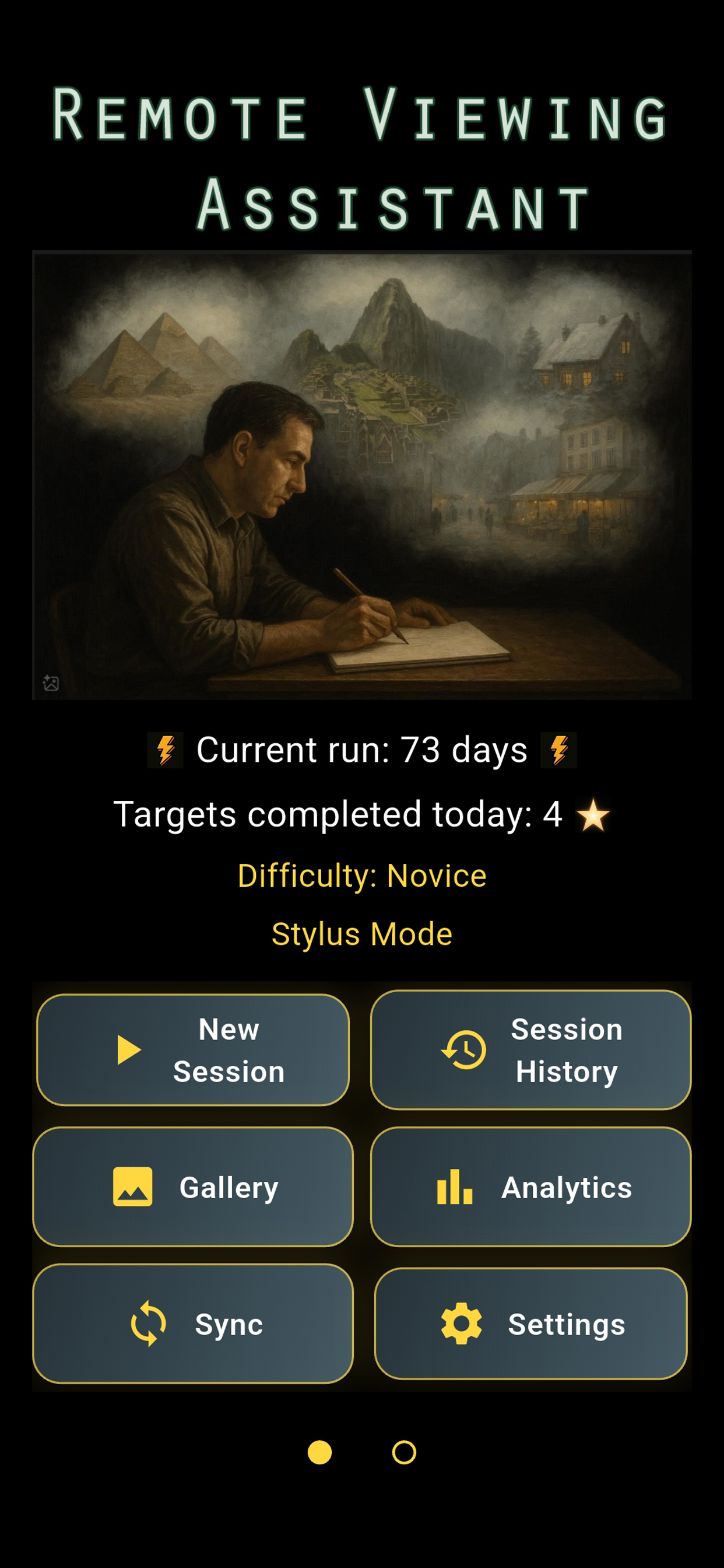
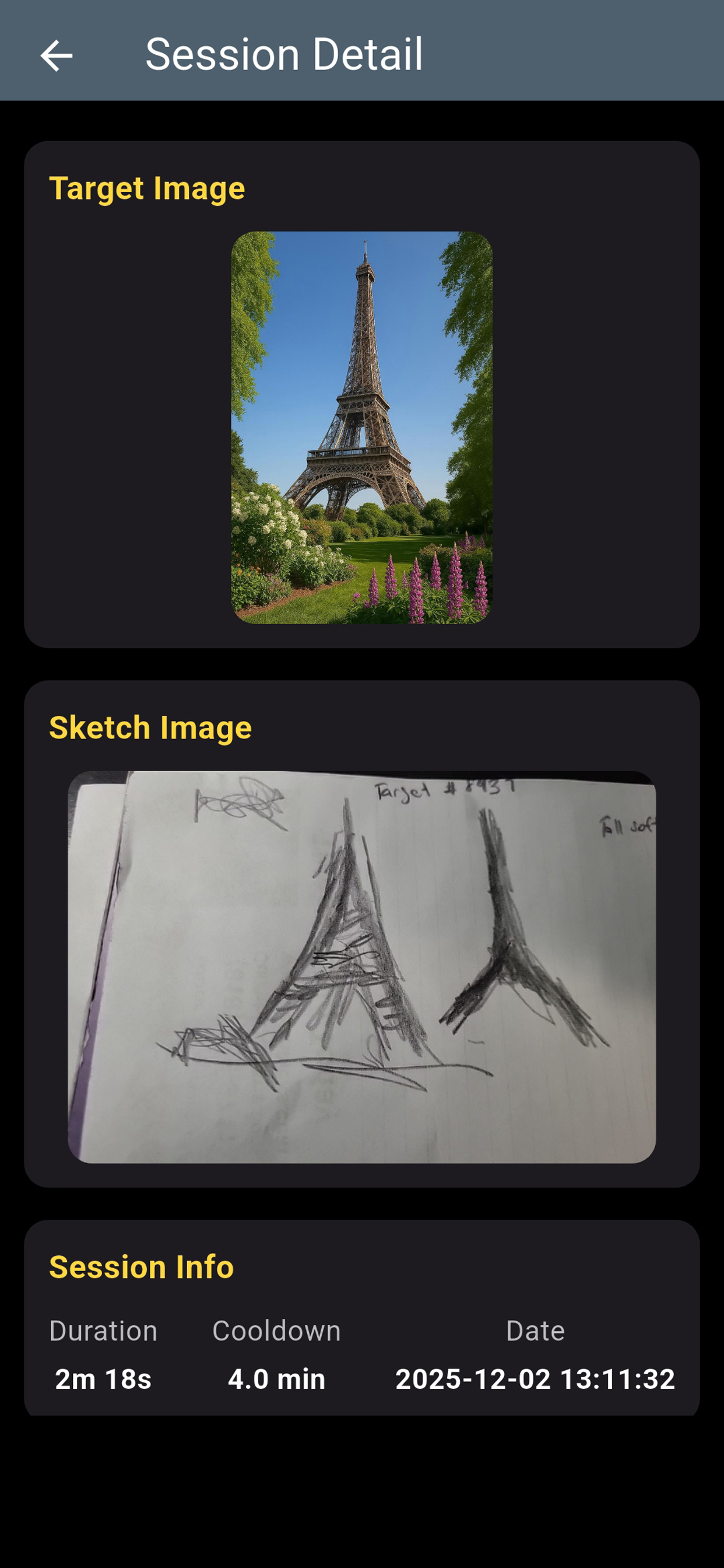
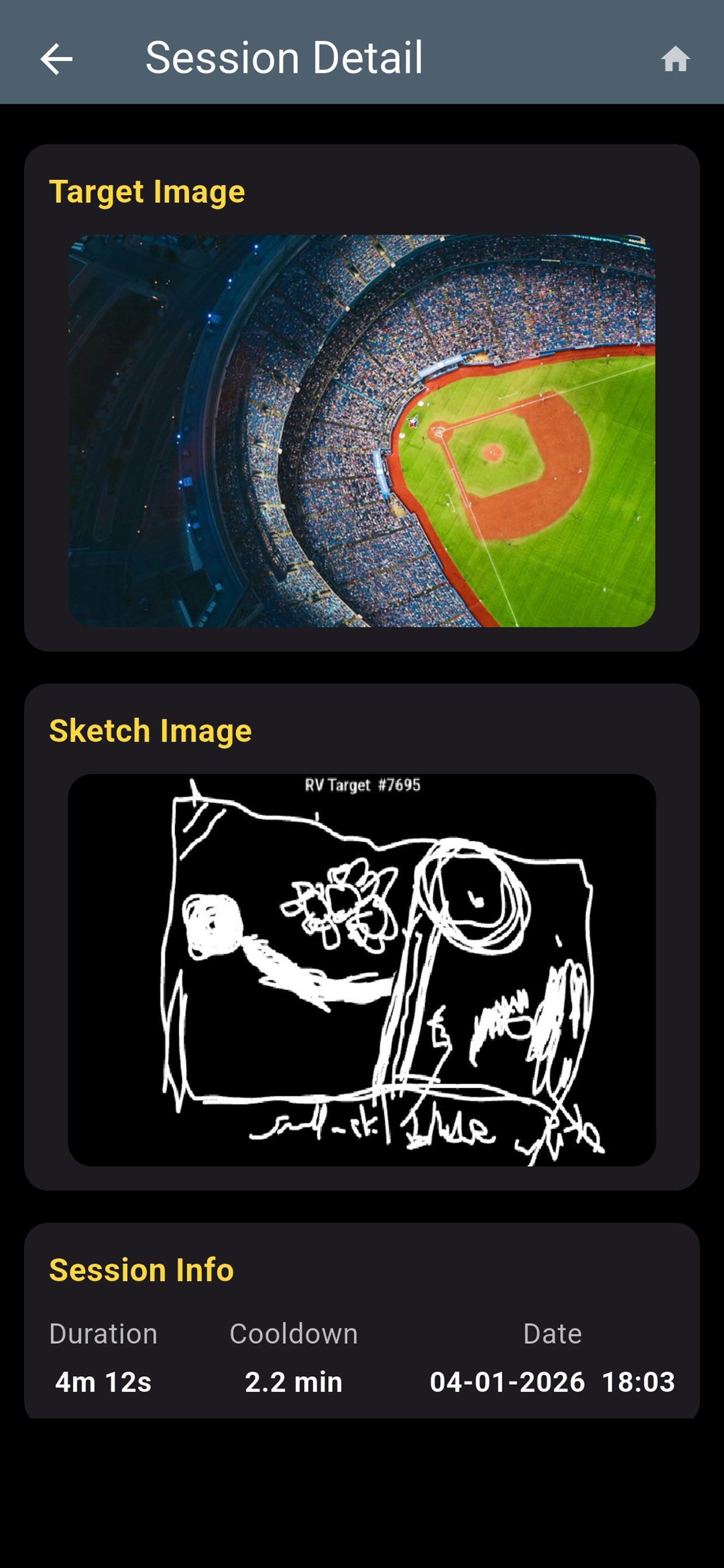
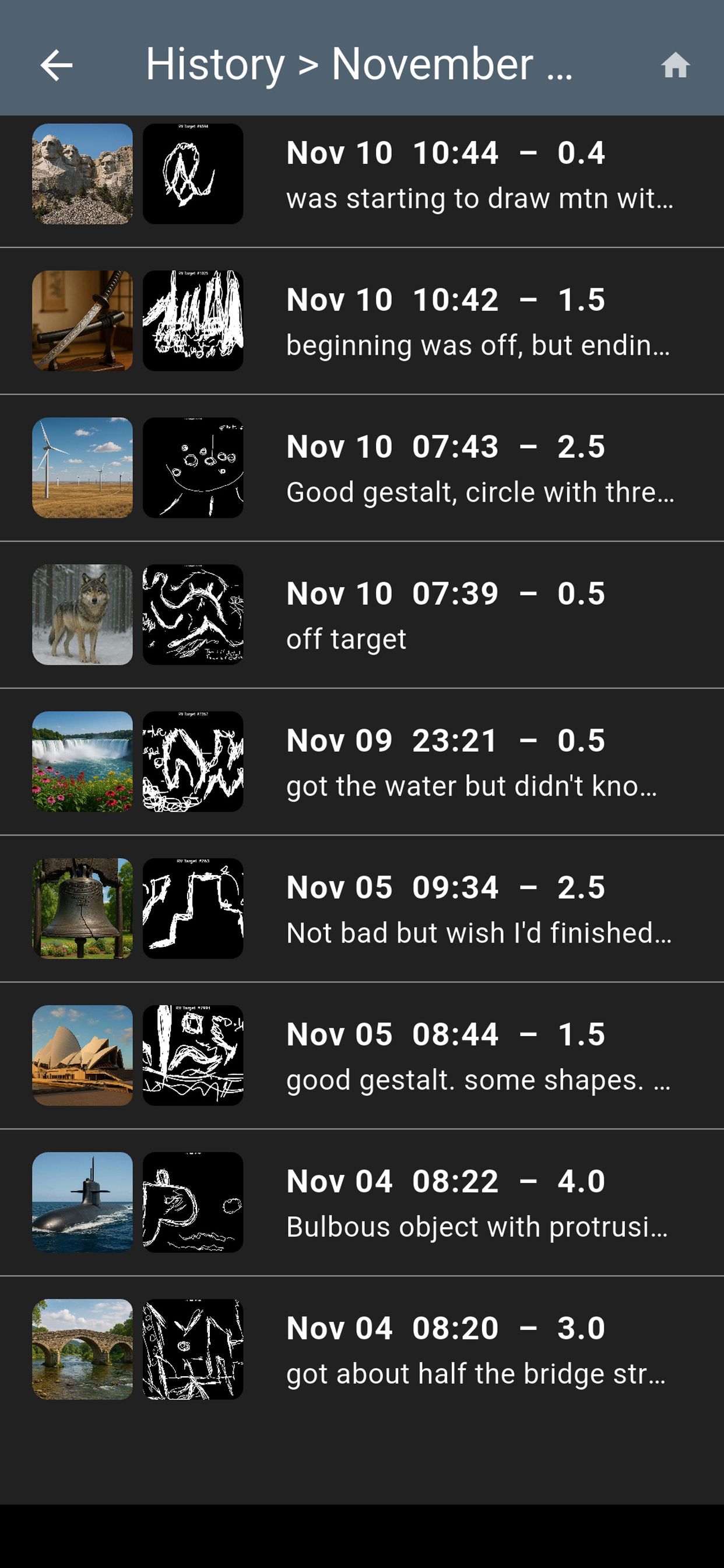
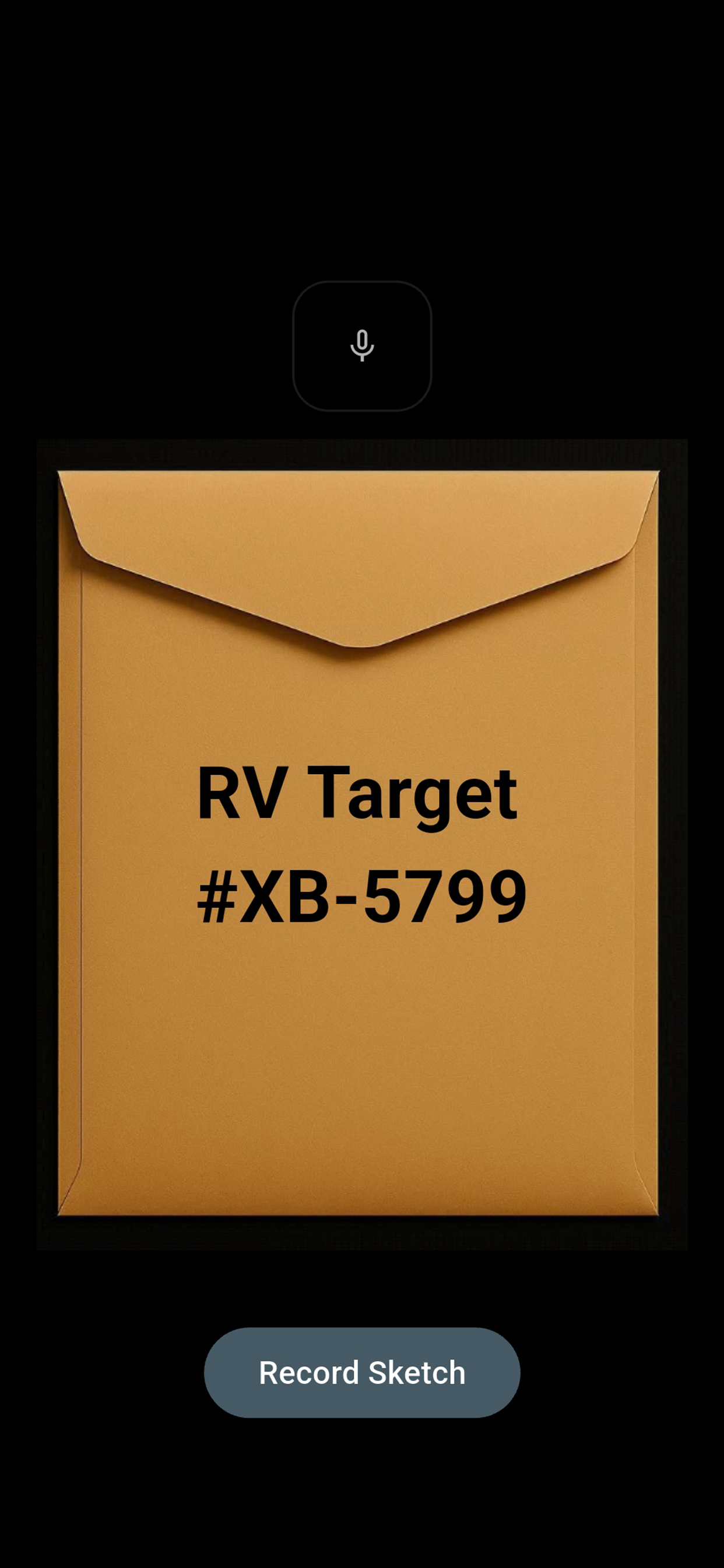
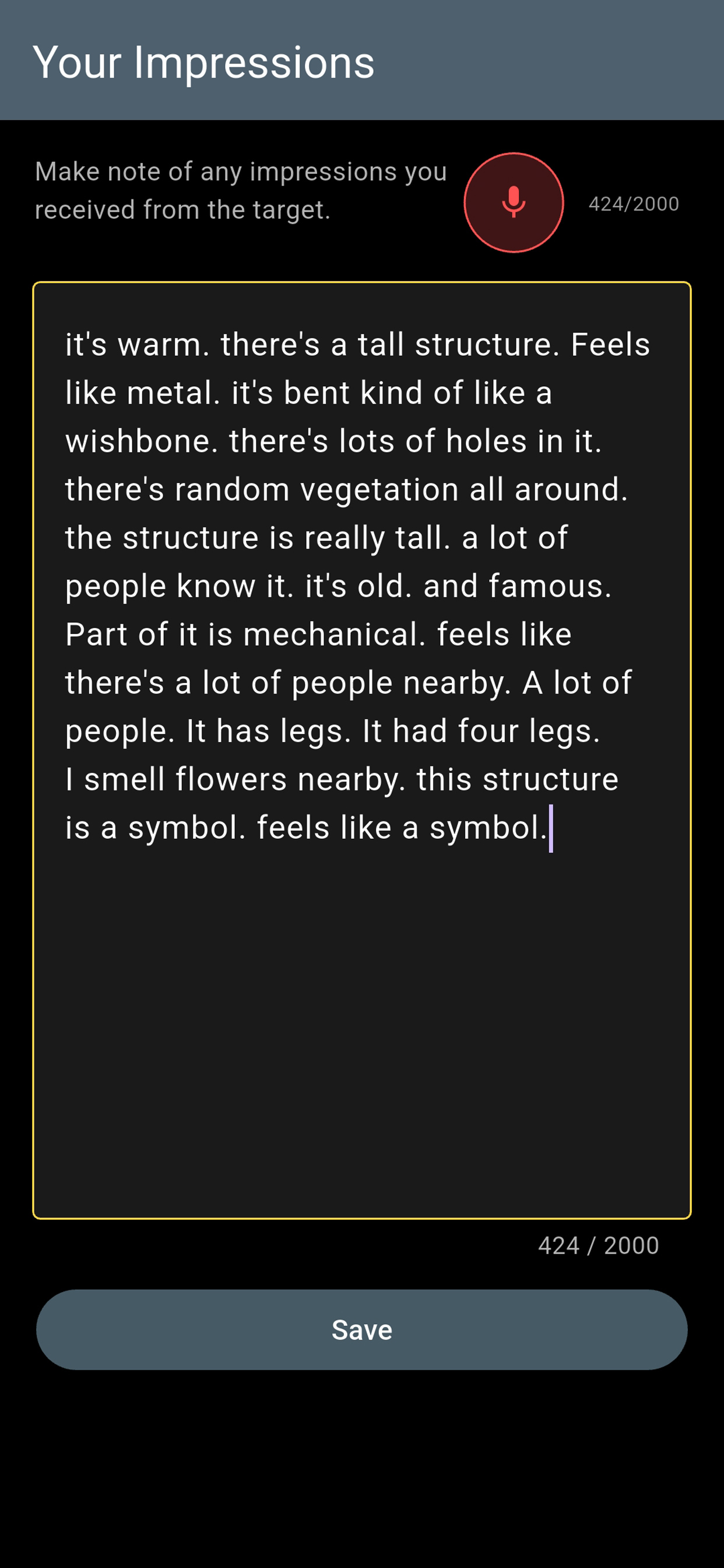
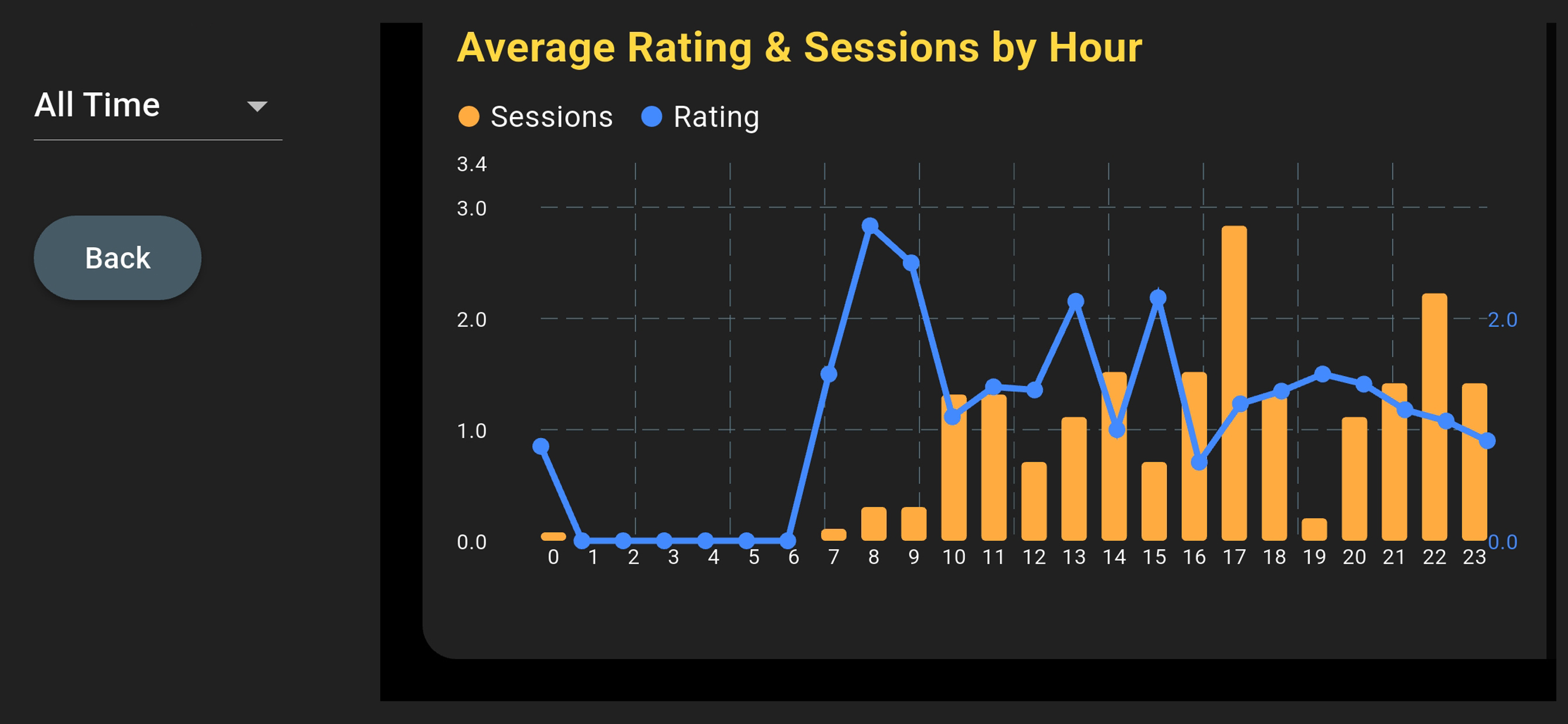


For more information on the Remote Viewing Assistant, visit this page.
Remote Viewer's Assistant Privacy Policy: Read the policy here.
Self-study is an important part of learning remote viewing, but many students benefit from structured training provided by experienced instructors. A number of professional remote viewers offer introductory and advanced courses, and some instructors participated directly in the historical government research programs that helped establish the field.
Formal instruction can provide guidance, accountability, feedback, and access to experienced practitioners who can help students avoid common pitfalls.
There are a number of excellent books covering the history, methodology, research, and practice of remote viewing. The following list can be expanded as additional resources are added.
Remote viewing is a subject that rewards patience and consistent practice. Whether your interest lies in the history of the field, the research behind it, or developing your own skills, maintaining a disciplined training routine and reviewing your results objectively can help maximize learning over time.
Remote viewing remains a subject of ongoing debate within both scientific and public communities. Supporters point to decades of experimental research and reported statistical results that they believe warrant further investigation. Critics argue that methodological challenges, replication concerns, and the absence of a widely accepted explanatory mechanism make the evidence inconclusive.
RemoteViewers.org does not claim that remote viewing has been definitively proven or disproven. Instead, the purpose of this website is to provide educational information about the history, methodologies, research, and practice of remote viewing so that readers can explore the subject and reach their own conclusions.
As with any area of study, readers are encouraged to review multiple sources, consider differing viewpoints, and evaluate claims critically.